
Operational costs often increase in small, overlooked steps. Manual fluid handling, slow transfers, and minor spills add up over time. For industrial facilities moving chemicals, additives, or process fluids from drums into tanks and systems, transfer methods directly affect efficiency.
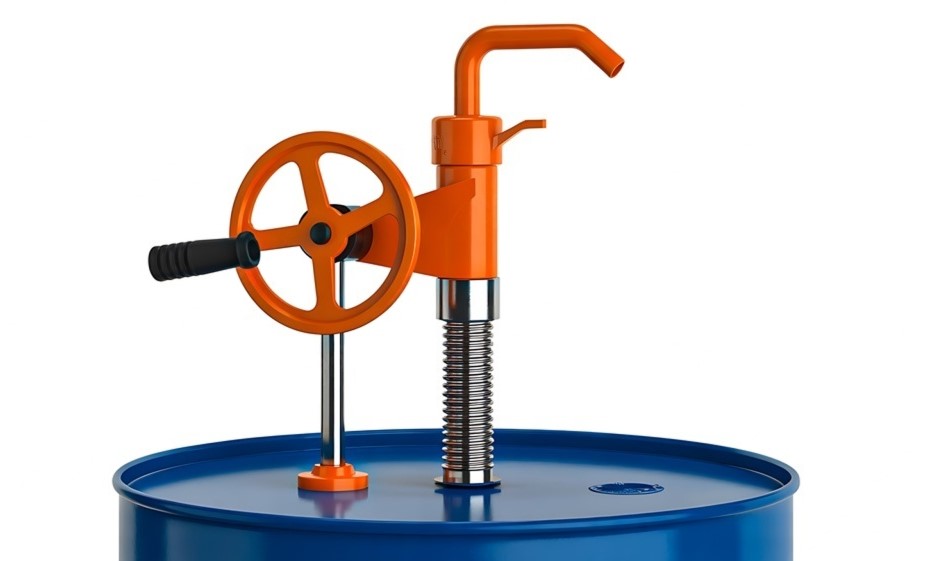
A drum pump, also known as a barrel pump, provides a controlled means of moving fluids. It helps move industrial fluids from containers into processing lines or storage systems. When matched correctly to fluid type and application, it supports cost control across operations. The following five areas show how.
1. Reduced Product Waste During Transfer
Uncontrolled drum pouring increases product loss. Spillage during decanting creates waste that cannot be recovered. Even small losses become significant over months of production.
A properly selected drum pump improves transfer accuracy by:
- Delivering steady, consistent flow rates
- Reducing splashing and overflow
- Allowing controlled start and stop operation
- Supporting compatibility with chemical properties
For facilities moving corrosive or high-value liquids, controlled transfer protects margins. Less product lost during handling means better cost containment.
2. Lower Labour Costs Through Faster Fluid Transfer
Manual drum handling is slow and physically demanding. Extended transfer times increase labour hours per batch and may require additional staff oversight.
A drum pump reduces manual intervention by:
- Increasing transfer speed compared to gravity pouring
- Allowing direct connection to downstream systems
- Reducing repetitive lifting and repositioning of containers
- Supporting safer, more ergonomic handling
Faster fluid movement translates into shorter cycle times. Over multiple shifts, these savings compound. Labour resources can then focus on higher-value tasks rather than on fluid transfer.
3. Minimized Downtime From Spills and Contamination
Spills do more than waste product. They interrupt workflow. Cleanup procedures delay production and introduce safety risks. In regulated environments, contamination can require documentation and corrective actions.
A drum pump supports cleaner operations by:
- Providing sealed transfer pathways
- Limiting air exposure for sensitive fluids
- Reducing cross-contamination risk between batches
- Improving housekeeping standards
When transfer systems reduce spill events, facilities avoid unplanned stoppages. Stable operations support predictable output and reduce indirect costs tied to downtime.
4. Extended Equipment and Container Life
Improvised transfer methods can damage drum openings, storage containers, and downstream equipment. Overfilling tanks or introducing debris can shorten the system’s lifespan.
Drum or tote pumps help protect infrastructure by:
- Controlling discharge pressure
- Preventing splashing into tank walls
- Supporting compatibility with storage materials such as FRP tanks
- Reducing strain on fittings and valves
Facilities using fibreglass-reinforced plastic storage tanks benefit from steady inflow rates. These rates minimize stress on tank inlets and internal surfaces. Controlled transfer helps maintain tank integrity and reduces long-term maintenance expenses.
When containers last longer, and process equipment remains protected, replacement costs decrease. Asset life extension contributes directly to operational savings.
5. Improved Inventory Accuracy and Fluid Measurement
Inventory management becomes more complex when product loss, evaporation, or inconsistent transfer methods distort measurement. Inaccurate volume tracking can lead to premature reorders or emergency purchases.
These pumps support improved accuracy by:
- Allowing consistent batch transfer volumes
- Supporting integration with flow measurement systems
- Reducing unrecorded losses
- Providing repeatable transfer conditions
With clearer consumption data, procurement teams can plan more effectively. Accurate tracking prevents overstocking and reduces capital tied up in excess inventory.
Why Drum Pumps Matter in Industrial Cost Control
Fluid transfer often receives less attention than production equipment, yet it influences daily operating expenses. A well-selected drum pump reduces waste, supports safer handling, protects infrastructure, and improves inventory control.
Operational costs rarely rise from a single issue. They increase through repeated inefficiencies in handling, labour allocation, spill management, and equipment wear. Fluid transfer influences many of these cost factors.
A drum pump offers measurable impact in:
- Waste reduction
- Labour efficiency
- Downtime prevention
- Asset protection
- Inventory clarity
When integrated with appropriate storage solutions, including FRP water storage tanks and compatible industrial systems, these systems become essential. Reviewing transfer systems alongside storage infrastructure can reveal meaningful cost-saving opportunities. This makes chemical drum pumps an important part of a broader cost-management strategy.
Facilities evaluating fluid-handling upgrades can contact Vissers Sales Corp. for industrial pump solutions that align with process requirements.