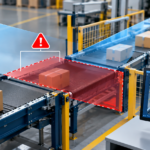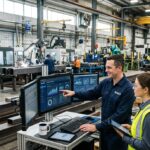

Manufacturing operations depend on efficient product movement across packaging lines. Manual handling often slows production and increases the risk of damage or misalignment. Many facilities now adopt packaging conveyor systems to streamline product flow and maintain consistent packaging performance.
A well-designed conveyor solution moves products smoothly between equipment stages. This includes sealing units, shrink tunnels, and inspection points. The automation provided by modern conveyor systems helps reduce manual labor while improving operational consistency.
In contrast, manual handling requires workers to lift, position, and move products throughout the packaging process. This approach introduces variability in speed and alignment. When packaging lines operate at higher volumes, manual handling becomes less practical and more expensive over time.
How Do Packaging Conveyor Systems Improve Packaging Line Efficiency?
Automated conveyors help synchronize the entire packaging workflow. They connect machines such as shrink wrappers, bundlers, and tunnels while maintaining controlled product movement.
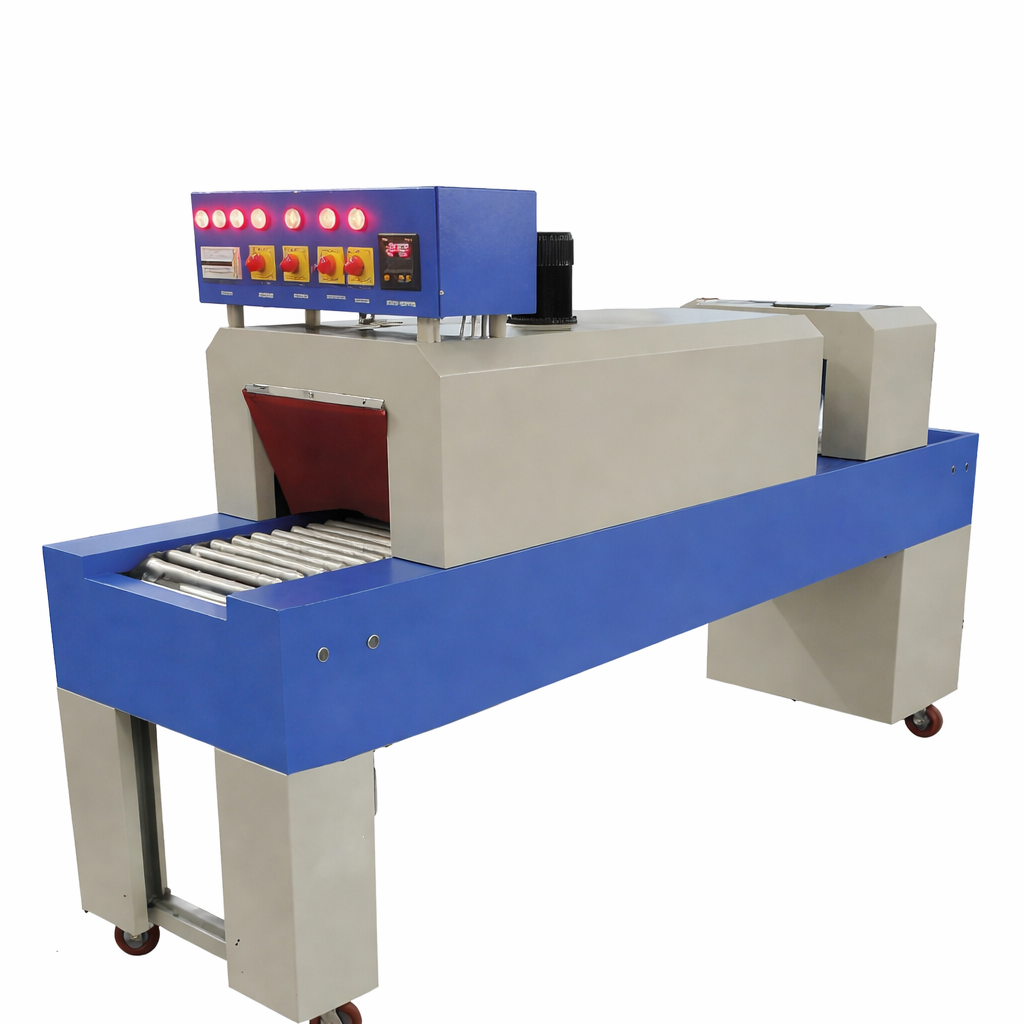
A shrink wrap conveyor plays an important role in keeping products aligned before they enter the sealing stage. Proper spacing and orientation ensure accurate sealing and uniform shrink wrapping results.
Modern packaging conveyor systems provide several operational benefits:
- Consistent Product Flow: Products move steadily across the packaging line without delays.
- Improved Alignment: Conveyors position items correctly before sealing or shrinking.
- Higher Throughput: Automated movement supports continuous production at higher speeds.
- Reduced Labor Demand: Fewer workers are required for product transfer tasks.
Manufacturers often integrate conveyors directly with automatic shrink wrap machines. This integration improves overall packaging performance while minimizing bottlenecks.
What Are the Limitations of Manual Material Handling in Packaging Lines?
Manual product movement introduces several operational challenges. Workers must lift, carry, and position items repeatedly during the packaging process. These repetitive actions slow production and increase fatigue.
Manual handling also creates inconsistencies in product spacing. Uneven spacing can cause sealing problems or irregular shrink wrapping results. When product flow becomes inconsistent, packaging equipment may experience jams or delays.
Several drawbacks commonly appear in manual packaging operations:
- Slower Production Rates: Workers cannot match the speed of automated systems.
- Higher Labor Costs: More personnel are required to maintain workflow.
- Increased Risk of Product Damage: Manual movement raises the chance of drops or misalignment.
- Operational Variability: Packaging output depends heavily on human performance.
For manufacturers running high-volume packaging lines, these limitations quickly affect productivity and profitability.
Why Does Automation Deliver Long-Term Cost Advantages?
Automation requires an upfront investment, but the long-term financial impact often favors conveyor systems. A reliable packing conveyor helps reduce labor expenses and improve production output.
Efficient conveyors also reduce material waste. Proper product spacing ensures film usage remains consistent during shrink wrapping. This helps manufacturers maintain predictable packaging costs.
Modern conveyor systems integrate easily with advanced shrink wrap equipment. When combined with high-performance machinery, the result is a fully synchronized packaging line that supports consistent throughput and lower operational risk.
Companies that automate product transfer often experience improved uptime and fewer interruptions. The packaging line operates more smoothly when product flow remains controlled.
What Makes Automated Conveyor Integration a Strategic Packaging Investment?
Manufacturers seeking consistent packaging quality increasingly prioritize automation. High-performance packaging conveyor systems ensure products move through sealing and shrinking stages without delays.
Companies such as Complete Packaging Solutions & Systems Inc. / Kallfass USA design packaging equipment for reliability and precision. Their systems integrate conveyors, shrink wrap machines, and heat tunnels into a unified workflow.
Advanced motion control technology, energy regeneration, and film versatility support smooth packaging operations. These systems operate with no compressed air requirements and deliver uptime exceeding 98.5 percent. Manufacturers also benefit from simplified operation, easy film switching, and reduced material usage.
For businesses handling large production volumes, automated conveyors help create a packaging line that operates with speed, consistency, and cost control.
Ready to upgrade your packaging line?
Partner with Complete Packaging Solutions & Systems Inc./Kallfass USA for precision-engineered shrink wrap automation built for performance and reliability.