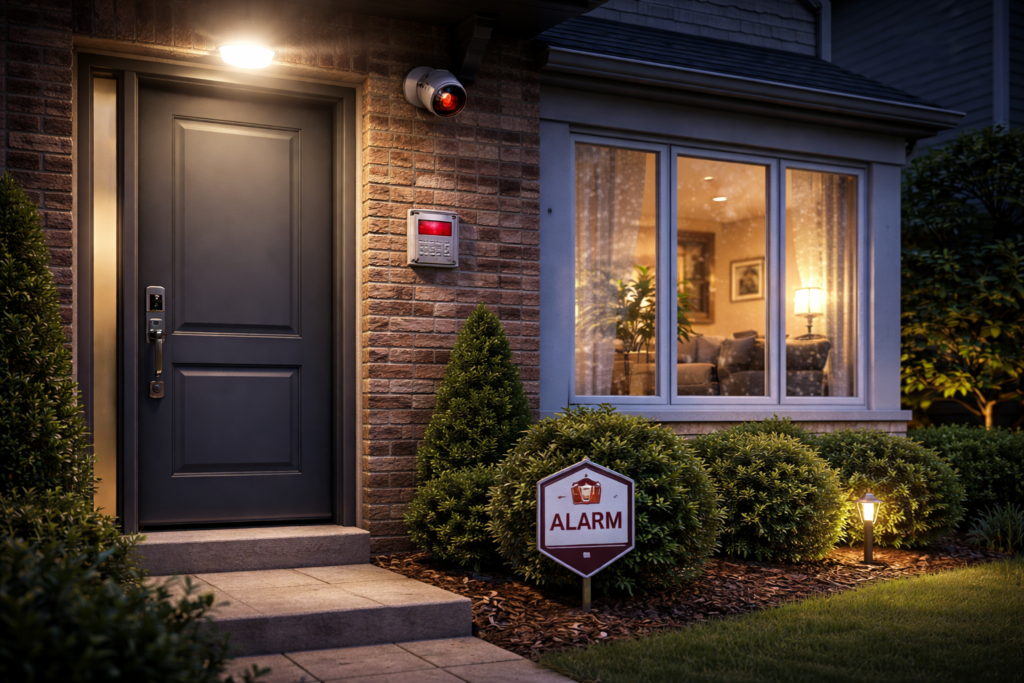

Break-ins rarely happen the way homeowners expect. In many cases, entry takes only seconds, often through a vulnerable door or window, before any alarm response can begin. This raises an important question: do home alarm systems in Toronto actually stop break-ins, or do physical security upgrades offer better protection?
Understanding how each approach works and where it falls short can help homeowners make more informed security decisions.
Why Homeowners in Toronto Are Rethinking Security Systems
Traditional alarm systems are designed to detect intrusion and alert authorities. However, they do not physically stop someone from entering a property.
Many homeowners begin reassessing their security after:
- A recent break-in nearby
- Delayed response times
- Visible entry vulnerabilities like glass doors or weak frames
This shift is leading to a greater focus on prevention rather than reaction.
How Home Alarm Systems Work
Home alarm systems in Toronto rely on sensors placed at entry points, such as doors and windows. When triggered, they:
- Activate a siren
- Send alerts to the homeowner
- Notify monitoring services or authorities
These systems are effective at creating awareness and potentially deterring some intruders. However, they typically activate after access has already been attempted or gained.
What Are Physical Security Upgrades?
Physical security upgrades focus on making it more difficult for someone to enter a property in the first place.
Common upgrades include:
- Window security film to prevent glass shattering
- Door and frame reinforcement systems
- High-strength locking mechanisms
- Strategic camera placement
These solutions are designed to delay or prevent entry, reducing the likelihood of a successful break-in.
Blue Line Home Protection applies these systems through crime-prevention strategies informed by real-world break-in patterns. This ensures that security upgrades address both physical vulnerabilities and behavioural risks.
Window Security Film vs Alarm Systems
Window security film and alarm systems serve different purposes. However, they are often compared because glass entry is one of the fastest ways into a home.
Window Security Film:
- Holds broken glass together after impact
- Slows down forced entry attempts
- Increases the time and effort required to gain access
Security Alarm System for Home:
- Trigger alerts when glass breaks or movement is detected
- Provide notification, but do not prevent entry
In many break-in scenarios, the time delay created by reinforced glass can be more impactful than a delayed alert alone.
The Role of Crime Prevention Through Environmental Design
Crime Prevention Through Environmental Design (CPTED) focuses on reducing opportunities for crime through better property design.
Key principles include:
- Natural Surveillance: Improving visibility around entry points
- Access Control: Limiting easy entry routes
- Territorial Reinforcement: Clearly defining private space
Blue Line Home Protection integrates these principles into security planning, combining physical upgrades with strategic layout improvements to reduce risk. This approach shifts the focus from reacting to incidents to preventing them.
Why Layered Security Is More Effective
Most break-ins rely on speed and low resistance. When a property requires more time, effort, or visibility to access, the likelihood of a successful attempt decreases significantly. Layered security works by combining multiple barriers that disrupt this process.
A layered approach combines:
- Detection (alarms and cameras)
- Delay (window film and reinforced doors)
- Deterrence (visibility and access control)
This makes it more difficult for intruders to succeed and increases the chances that they abandon the attempt.
When Homeowners Should Upgrade Their Security
Security upgrades are often considered after an incident, but there are earlier signs that indicate a need for improvement:
- Older doors or window systems
- Glass panels near locks or entry points
- Poor exterior lighting or visibility
- Neighbourhood incidents or rising concerns
Upgrading before a break-in occurs can reduce risk exposure and improve overall property safety.
Homeowners looking to strengthen their security can contact Blue Line Home Protection for a professional assessment. This helps identify vulnerabilities and determine whether home alarm systems in Ontario, physical upgrades, or a layered approach will provide better protection.