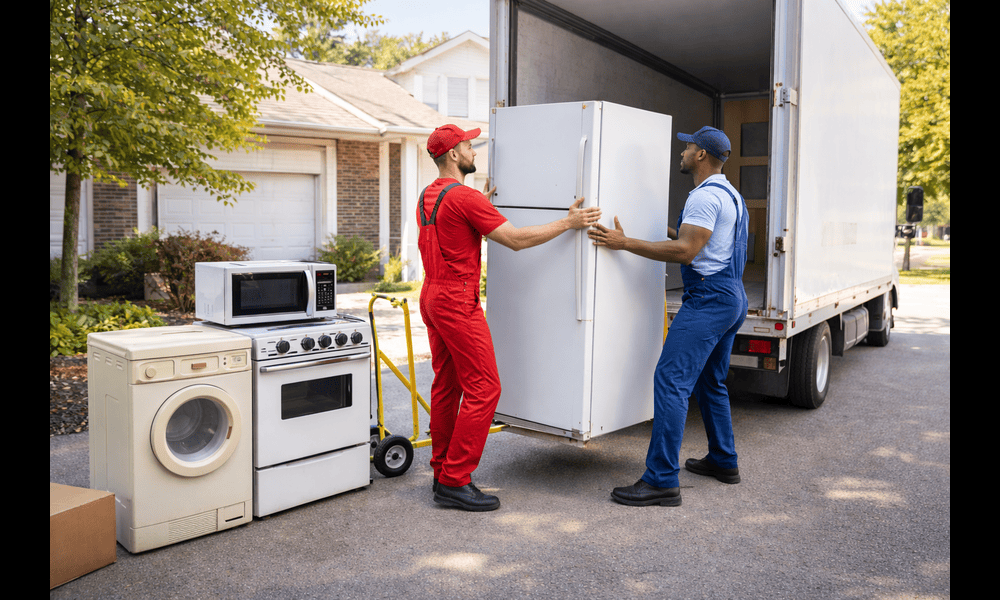

When an appliance reaches the end of its life, many homeowners face the same question: Should you arrange appliance pickup or try to move it yourself? Whether it’s a refrigerator, washer, or stove, removing bulky equipment requires planning. Weighing the pros and cons of DIY removal versus professional old appliance pickup can help you decide what makes sense for your space and situation.
While handling it yourself may seem straightforward, there are several factors to consider before committing to a self-managed approach.
Risks of Moving Heavy Appliances Without Help
Large appliances are not only heavy but also awkward to manoeuvre. Refrigerators and washing machines can weigh hundreds of pounds, and their size makes it difficult to navigate tight corners, staircases, or narrow hallways.
Without proper lifting techniques or support:
- Floors can become scratched
- Door frames may be damaged
- Appliances can tip or shift unexpectedly
- Personal injury becomes a risk
Even when using dollies or straps, improper handling can lead to strain or property damage. Professional teams are trained to manage these challenges through controlled, manual removal methods.
Cost Comparisons: Hiring a Service vs. Self-Disposal
At first glance, handling removal independently may appear less expensive. However, it’s important to consider indirect costs such as the following:
- Renting a truck
- Fuel and transportation
- Equipment rental
- Time spent coordinating disposal
When these factors are combined, the difference between DIY and professional old appliance removal may not be as significant as expected.
Professional services often include transportation and appropriate disposal within a single appointment, reducing the need for multiple steps.
When DIY Isn’t Safe
There are situations where self-removal may not be practical or safe. These include:
- Appliances located in hard-to-reach areas
- Multi-storey homes with narrow staircases
- Condo buildings requiring elevator access
- Large units such as chest freezers or double-door fridges
Moving appliances through stairwells or confined spaces increases the risk of dropping or damaging the unit. In these cases, arranging appliance pickup provides a safer alternative.
Additionally, appliances connected to water sources must be properly disconnected before removal. Ensuring this is handled correctly helps prevent leaks or other complications.
Why Working With Professionals Prevents Property Damage
Professional crews are experienced in handling bulky appliances within residential settings. They assess access routes, identify obstacles, and manually lift equipment to minimize contact with walls and flooring.
When you book an old appliance pickup, the team typically:
- Confirms the appliance type and location
- Ensures pathways are clear
- Carefully removes and loads the unit
This structured approach helps protect both the property and the appliance during removal. It also eliminates the physical strain associated with lifting heavy equipment.
Making the Safer, More Efficient Choice
Choosing between DIY removal and professional old appliance removal depends on your comfort level, access conditions, and available time. While handling it independently may seem manageable, the risks of injury and property damage can outweigh the savings.
Scheduling appliance pickup offers a straightforward solution that reduces manual strain and simplifies disposal logistics. By evaluating your space, appliance size, and accessibility, you can make a decision that prioritizes safety and efficiency. Are you considering a reliable appliance pickup solution? Get in touch with 1800-RID-OF-IT today!