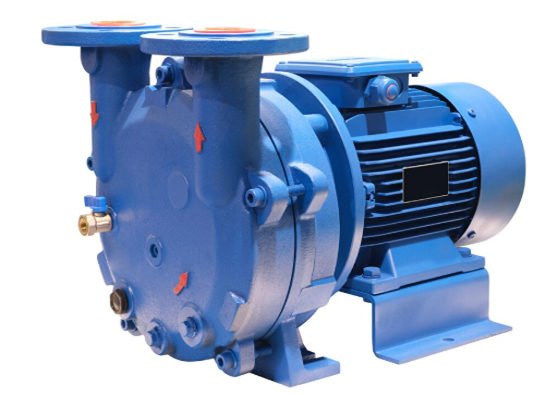

Selecting a centrifugal water pump is a critical procurement decision in industrial operations. Incorrect selection can lead to downtime, increased maintenance, and reduced system efficiency. These risks often originate from gaps in system analysis, operating conditions, or supplier coordination.
1. Operating Outside the Best Efficiency Point (BEP)
Operating a pump outside its best-efficiency point increases mechanical stress and reduces reliability.
Technical Impact
Operation away from BEP increases radial loads and internal turbulence. This accelerates wear on seals, bearings, and impellers.
Industrial Context
Variable flow systems often push equipment away from the ideal duty point. This results in unstable performance under changing demand.
Best Practice
Select equipment that operates near its efficiency range during normal conditions. Avoid excessive safety margins that shift performance away from BEP.
2. Miscalculating Net Positive Suction Head (NPSH)
An incorrect NPSH evaluation can lead to cavitation and internal damage.
Cavitation Mechanism
Cavitation occurs when the available suction pressure drops below the required level. Vapour bubbles form and collapse inside the pump.
System Risks
Suction-side losses increase under variable demand. Long piping runs and undersized lines worsen pressure conditions.
Prevention
Reduce friction losses in suction piping. Maintain adequate pressure margins to prevent instability during operation.
3. Ignoring Fluid Properties and Temperature Conditions
Fluid characteristics directly affect pump performance.
Environmental Impact
Temperature changes alter fluid viscosity. This increases resistance and raises required motor power.
Material Considerations
Standard materials may not perform well in corrosive or low-temperature environments. Proper material selection supports durability under harsh conditions.
Compliance Factors
Material compatibility must align with regulatory requirements. Incorrect specification can delay system approval and operation.
4. Failing to Match System Curves With Pump Performance
Pump selection must align with the system curve.
System Curve Errors
Ignoring system resistance leads to incorrect operating points. This results in inefficient performance from commissioning onward.
Configuration Risks
Parallel or staged systems require proper coordination. Poor configuration can cause instability or reduced flow control.
Best Practice
Evaluate system resistance accurately. Match pump performance curves to expected operating conditions.
5. Overlooking Variable Frequency Drives (VFDs)
Constant-speed operation reduces efficiency in variable-demand systems.
Operational Impact
Fixed-speed pumps waste energy during low-demand periods. Throttling increases losses instead of reducing consumption.
Efficiency Improvements
Variable frequency drives adjust speed based on demand. This maintains stable operation and reduces energy use.
System Benefits
Speed control improves reliability and reduces mechanical stress. It also limits pressure fluctuations during operation.
6. Underestimating Maintenance Requirements
Maintenance planning affects long-term system performance.
Common Issues
Lack of maintenance schedules leads to unexpected failures. Seal wear and impeller damage often go undetected.
Supply Chain Risks
Fragmented sourcing increases lead times for replacement components. This delays repairs and extends downtime.
Best Practice
Establish structured maintenance plans. Ensure consistent access to replacement parts and service support.
7. Selecting an Incompatible Supplier
Supplier capability affects both system performance and long-term reliability.
Evaluation Criteria
Assess supplier experience in system design and pump sizing. Verify access to multiple pump configurations and technical support.
Operational Impact
Poor coordination between equipment and system design leads to inefficiencies. This increases the likelihood of operational issues.
Best Practice
Work with suppliers that align equipment selection with system requirements. Integrated support improves consistency and reduces risk.
Supporting Efficient Industrial Pump Selection
Accurate selection of a centrifugal water pump depends on system analysis, operating conditions, and proper configuration. Each factor contributes to stable performance and reduced operational risk.
Careful evaluation of flow requirements, suction conditions, and system resistance improves reliability. Structured maintenance and supplier coordination further support long-term operation.
For industrial facilities reviewing industrial pump systems, system requirements should be evaluated before finalizing equipment selection.
Contact Vissers Sales Corp. for custom solutions, or request a quote to optimize your industrial pump systems today.